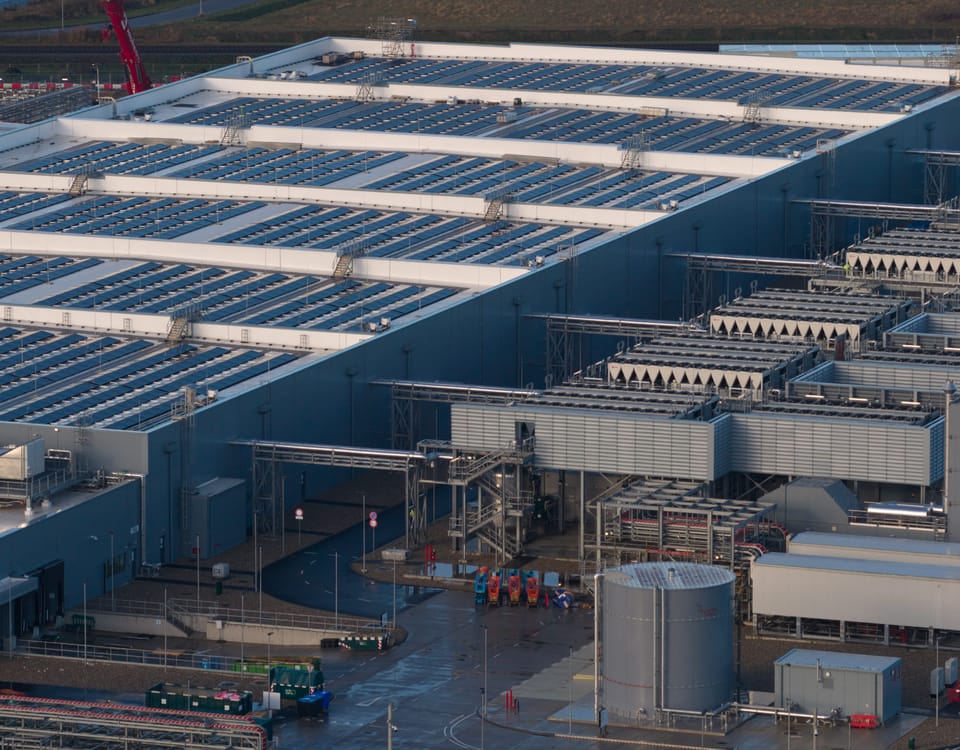

Rapid expansion in artificial intelligence and cloud computing puts extreme pressure on local power grids. Consequently, utility providers often struggle to supply continuous, high-capacity electricity to critical digital facilities. Grid constraints now force commercial data facilities to run microgrids as primary or secondary power systems. This shift fundamentally alters commercial energy management across the nation. Fuel requirements no longer center around seasonal emergency response. Instead, facilities require active, ongoing operational support to stay online. Precise micro-fueling strategies now provide the essential reliability that modern data centers demand.
Overcoming Grid Capacity Bottlenecks
Power companies frequently place new facilities on strict load-shedding schedules or delayed grid-interconnection timelines. Therefore, facility managers deploy microgrids to bridge the gap between facility launch and full utility access. These localized power networks combine solar arrays, battery storage, and large diesel generation units. However, generation units consume massive amounts of energy during prolonged runs. A microgrid operating as a main power source consumes thousands of gallons of diesel every day. When regional grids fail or throttle power delivery, data centers must maintain continuous operations without dropping a single millisecond of uptime. Commercial facilities rely on tailored micro-fueling services to maintain continuous power generation without operational interruption.
Understanding the Critical 72-Hour Fuel Window
Most commercial data facilities engineer their site storage to hold exactly 48 to 72 hours of backup fuel. During a sustained utility outage or a grid-throttling event, this 72-hour window creates an intense logistical challenge. Standard bulk drop deliveries fill giant primary storage tanks efficiently. Yet, individual microgrid generators, peak-shaving units, and temporary site equipment often require localized, targeted fills. Moreover, high-capacity generation units consume fuel at varying rates depending on real-time server loads.
Facilities cannot simply wait for a primary storage tank to run low before calling for service. Instead, onsite logistics teams require active, scheduled replenishments to keep every sub-tank and generator operational. Specialized micro-fueling programs solve this challenge by delivering precise fuel volumes directly into specific equipment tanks on a continuous rotation.
Implementing Strategic Micro-Fueling Protocols
Data center operators optimize their site fuel management by integrating automated monitoring with scheduled direct-to-tank deliveries. Transitioning from passive backup power to active generation requires strict operational discipline across four key steps:
-
Deploy Telemetry Tracking: Technicians install automated fuel sensors on every generator sub-tank to track real-time consumption rates.
-
Establish Delivery Schedules: Logistics planners create rolling delivery routes based on live facility power draw data.
-
Execute Direct Tank Fills: Certified drivers access individual generation units directly, completing safe fills while equipment runs.
-
Maintain Fuel Quality: Service teams test and treat fuel continuously to prevent contamination during extended microgrid runs.
Applying systematic micro-fueling procedures ensures that every generator retains optimal fuel levels throughout prolonged multi-day operations.
Ensuring Continuous Power Security Through Direct Tank Fills
Access restrictions and strict safety parameters complicate data center site logistics. Large tanker trucks often cannot maneuver through tight equipment yards or reach elevated generator platforms. Specialized delivery vehicles solve this spatial limitation by navigating narrow site access roads with ease. Trained technicians handle every hose connection with extreme precision to prevent spills and eliminate vapor hazards. Furthermore, dedicated delivery teams perform critical multi-point inspections on every visit. Through proactive micro-fueling routines, fuel suppliers detect low fluid levels, water accumulation, and filter clogs before fuel degradation triggers an unexpected power shutdown.
Partnering for Operational Resilience
Data center microgrids transform how modern digital infrastructure manages energy independence. As utility grids face growing stability challenges, commercial facilities will rely even more heavily on self-generated power. Success during an extended power draw depends entirely on fuel supply chain integrity. Facility managers must partner with experienced fuel providers who understand the rigorous demands of mission-critical infrastructure. Professional micro-fueling services eliminate operational downtime, safeguard sensitive data equipment, and keep critical facilities running smoothly through every grid crisis.